







Search Results for: nine-dash line map
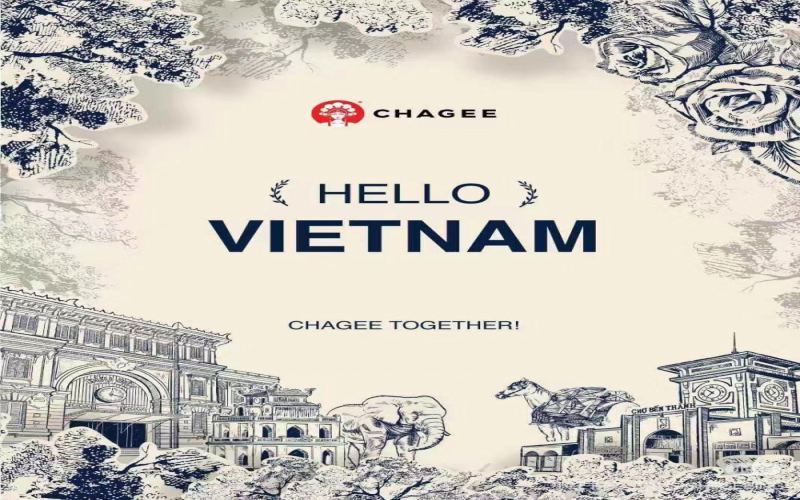
CHAGEE's first Vietnam store hits trouble before opening: App map embroiled in South China Sea nine-dash line controversy, sparking collective boycott by local netizens
Chinese new tea beverage brand Chagee originally planned a high-profile opening of its first store in Ho Chi Minh City, Vietnam, but on the eve of the launch, a map in its app suspected of showing the "nine-dash line" in the South China Sea sparked a strong backlash from Vietnamese netizens. Tens of thousands flooded its official Facebook page to express anger, the brand's app was removed from both major app platforms, and a tough response from what appeared to be an official account on TikTok poured fuel on the fire. As of now, Chagee has yet to make a formal response. This boycott storm triggered by a map has not only cast a shadow over the brand's overseas expansion but also sounded a warning bell for other Chinese brands planning to enter the Vietnamese market. Front Street Coffee continues to follow international developments in the coffee and tea beverage industry. [more…]

CHAGEE Boycotted by Vietnamese and Malaysian Users Over Map Labeling: How Much Has Store Operations Been Affected?
Recently, Chagee sparked boycotts among netizens in Vietnam and Malaysia successively due to a background image in its app that included the nine-dash line map. Vietnam not only removed the app from its platforms but also dismantled the signboard of the first store in Ho Chi Minh City; after Malaysian netizens discovered the same issue, they too joined the chorus of criticism. Although the brand has deleted the controversial image, the public outcry has not yet subsided. It is worth noting that, unlike brands such as Starbucks, which faced boycotts over the Israeli-Palestinian conflict leading to the closure of numerous stores, Chagee's offline stores in Kuala Lumpur have maintained steady takeout orders. This article will review the sequence of events and their actual impact on the brand's operations. [more…]
The Arabica Variety Map: Espresso Performance of Typica, SL28, and Geisha
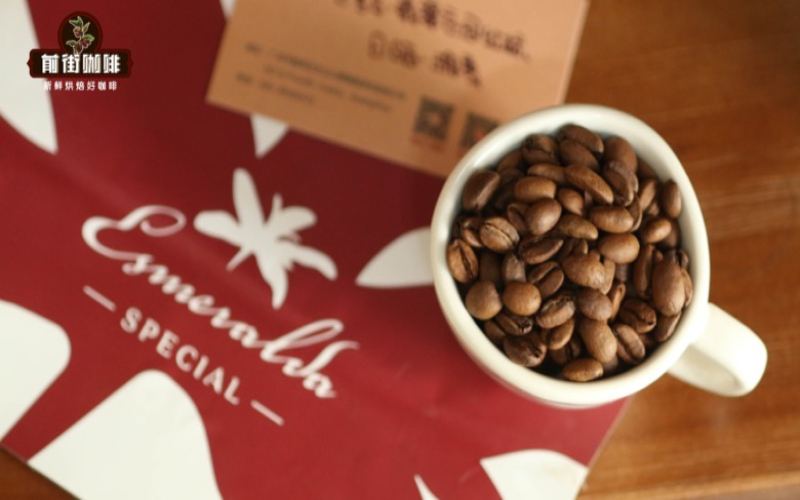
Arabica is not a single variety, but a vast family. Different varieties perform noticeably differently in espresso, and understanding a few representative varieties makes drinking SOE more interesting. Typica is one of the oldest varieties within Arabica, with a clean, bright flavor and delicate sweetness, and is the flagship variety of many classic producing regions. [more…]

Hacienda La Esmeralda Auction Lots vs. Red, Green, and Blue Label Differences Explained: Which Geisha Coffee Grade Is More Worth Drinking?
Hacienda La Esmeralda, as the benchmark estate for Geisha coffee, divides its product line into multiple tiers by grade, including Auction, Red Label, Green Label, and Blue Label, with different designations corresponding to different plot origins, quality standards, and price ranges. At the same time, Elida Estate also uses naming conventions such as Gold Label, Red Label, and Green Label, but the two systems are unrelated. This article will use the estate's interactive map of micro-lot distribution to sort out the meaning and differences of each designation one by one, helping coffee enthusiasts understand Hacienda La Esmeralda's grading logic, and, combined with Front Street Coffee's recommendations, provide a reference for everyday purchasing of Geisha beans. [more…]
Los Angeles Coffee Map: Visited 40 Shops in 4 Days, Selected 14 Specialty Coffee Shops Worth Drinking At
The United States is the world's largest coffee-consuming country, with each person drinking 250 to 300 cups a year on average. For a long time, the weak flavor of American drip coffee and the burnt bitterness of dark roasts led Europeans to mock it as "sock juice," but the third-wave specialty coffee movement has made the United States a leader. The author went deep into Los Angeles, a major coffee hub on the West Coast, drank at forty shops in four days, and selected fourteen reliable, comfortable, and worthwhile cafes, including the award-winning Portola, Bar Nine, which uses ModBar, and Go get em tiger, owned by barista competition champion Charles Babinski. The article also includes his experience of unexpectedly meeting an idol and his observations on the polarization of American coffee during this trip. This article is recommended for reading by Front Street Coffee. [more…]
What Is the Coffee Belt: Why Coffee Is Grown on Both Sides of the Equator
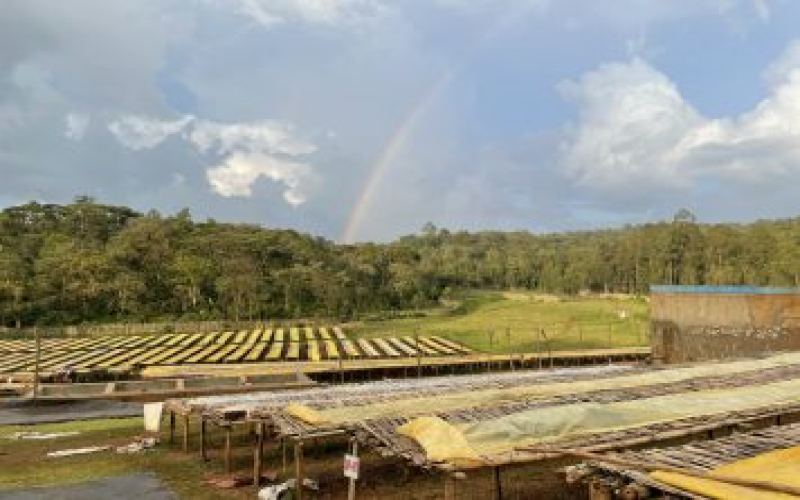
Open the world coffee-growing regions map, and you'll notice an interesting pattern: the major growing regions are almost all concentrated in a band on either side of the equator. This band is called the Coffee Belt. Understanding it means understanding the broad framework of coffee origins and flavors. Where is the Coffee Belt? The Coffee Belt lies roughly between the Tropic of Cancer and the Tropic of Capricorn, that is, [more…]
Starting from Ethiopia: Arabica's Journey and Flavor Map
The homeland of Arabica is the highlands of Ethiopia, where tracts of wild coffee forest still grow to this day. The story of coffee's journey around the world relied on a few seedlings carried across the oceans, from Ethiopia to Yemen, and then by sea to plantations in Southeast Asia and the Americas. Today, the Arabica of every major producing region can, when traced back to its roots, be connected to this [more…]
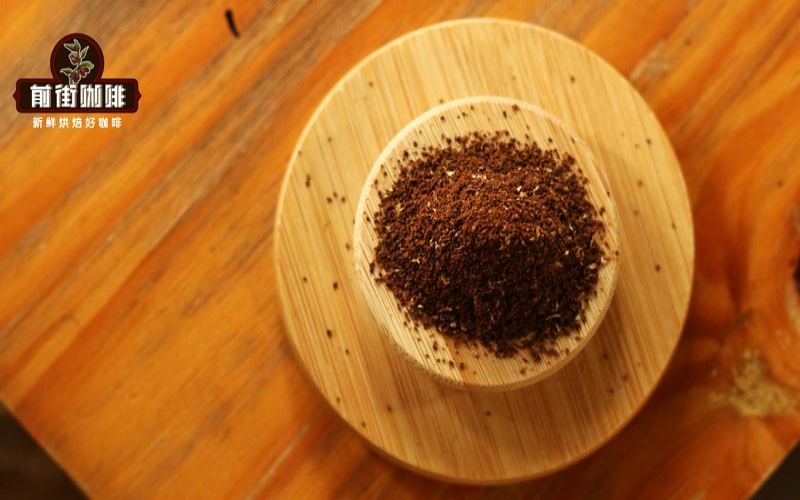
A Pour-Over Roast Map: How to Drink from Light to Dark Roasts
Even with the same hand-brewed coffee beans, different roast colors shift where the flavor lands on the palate. Light roasts tend to preserve the floral and fruity notes of the origin, medium roasts often bridge acidity, sweetness, aroma, and mouthfeel, while dark roasts develop cocoa, nutty, and roasted notes. First understand this line of change, then compare it with your own drinking habits and choose [more…]
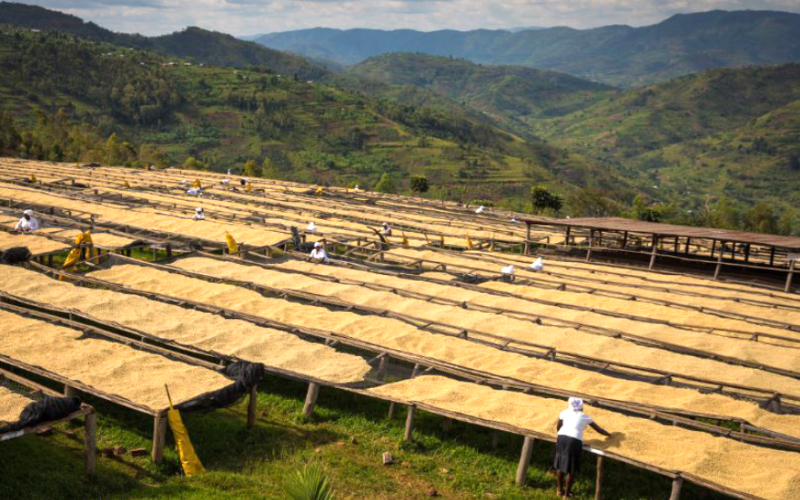
The Coffee Code of the Land of a Thousand Hills: Flavor Map of Rwandan Bourbon and Analysis of Its Washed Process
Rwanda, with its high altitude, volcanic soil and abundant sunshine, has become a producer that cannot be overlooked on Africa's specialty coffee map. Over ninety percent of the local coffee trees are Bourbon and its hybrid varieties, with washed processing as the mainstream, presenting multi-layered flavors of floral notes, citrus, berries and green tea. From Huye in the south to the shores of Lake Kivu in the west, different producing regions each have their own characteristics. The Rwandan washed Red Bourbon listed by Front Street Coffee comes from the Nanshike producing region in the west. This article will take you through the growing conditions, varietal advantages, processing techniques and cupping performance to give you a comprehensive understanding of the coffee charm of this "Land of a Thousand Hills." [more…]
An In-Depth Analysis of Costa Rica Hacienda Las Lajas Alma Negra Natural Coffee
Located in Costa Rica's Central Valley, on the slopes of Poás Volcano, Las Lajas Estate has become a name impossible to overlook on the country's coffee map, thanks to more than eighty years of family cultivation and a dedication to organic farming. The owning Chacón family is renowned for rigorous harvesting standards and innovative processing techniques, among which the natural batch "Alma Negra" (Black Soul) stands out among natural coffees with its dried-fruit and molasses-like profile. This article will give you a comprehensive understanding of the estate's geographical advantages, its organic certification journey, and the division of its honey and natural product lines, while also presenting in detail Front Street Coffee's roasting curve and cupping performance, providing coffee lovers with a complete tasting reference. [more…]

Luckin and Dazheng Capital Set Their Sights on Blue Bottle Coffee and %Arabica, Expanding the Specialty Coffee Acquisition Map
Bloomberg recently reported that Luckin, China's largest coffee chain, and its core investor Centurium Capital, are setting their sights on Blue Bottle Coffee, the specialty coffee brand under Nestlé, aiming to boost overseas market recognition and move into the high-end specialty segment. At the same time, Luckin has also expanded its acquisition options to the operator of %Arabica in China. Previously, Luckin had followed up on Coca-Cola's planned sale of Costa, but that bidding has faced the risk of falling through. A string of acquisition moves has led netizens to jokingly call Luckin the "Anta of the coffee world," while some worry that Blue Bottle's brand tone could be affected after being acquired. The related talks are still at an early stage, and whether a deal can ultimately be reached remains uncertain. [more…]

Flavor Map of Five African Coffee Countries: Bean Variety Characteristics of Ethiopia, Kenya, Tanzania and Other Origins
Africa lies around the equator and is globally recognized as a high-quality coffee-producing region, with Ethiopia and Kenya being particularly well-known coffee powers. Among the Ethiopian coffees sold by Front Street Coffee, Yirgacheffe is the most famous, offering floral and citrus notes when brewed; while Front Street's Kenyan coffee presents a distinct cherry tomato flavor. This article will systematically review the coffee variety characteristics, main producing areas, and flavor differences of five African coffee-producing countries—Ethiopia, Kenya, Tanzania, Rwanda, and Burundi—and include the corresponding Front Street products' regions, altitudes, processing methods, and flavor descriptions, to help coffee enthusiasts build a clear cognitive framework for African coffee. [more…]
Comparing South America's Two Major Coffee Producers: Flavor Differences and Buying Tips for Brazilian and Colombian Single-Origin Beans
South America is a hugely important region on the global coffee map, with Brazil and Colombia occupying the positions of the world's first and second largest coffee-producing countries respectively. Although the two countries are geographically adjacent, they present strikingly different flavor directions due to differences in growing conditions, variety structures, and processing methods. Brazilian coffee beans are softer in texture with a balanced, neutral flavor, and are often used as a base bean for blends; Colombian coffee, on the other hand, is known for its rich aroma and balanced acidity and sweetness, with a more outstanding performance as a single origin. This article will systematically sort through the two from the perspectives of origin characteristics, representative bean varieties, flavor and mouthfeel, and brewing suitability, helping coffee lovers make clearer choices based on personal taste preferences, while also giving specific recommendations in conjunction with Front Street Coffee's product line. [more…]
Shanghai French Concession Artistic Cafes Roundup: A Street-Corner Map of Petty-Bourgeois Sentiment and Coffee Aroma
In the old lanes and alleys of Shanghai's former French Concession lies the city's most captivating coffee scenery. Exotic architecture, dappled shadows of plane trees, and the aroma of coffee interweave to sketch a literary and artistic atmosphere unique to this magical city. This article selects eight distinctive cafes in locations such as Anfu Road, Tai'an Road, Wukang Road, and Yongkang Road—from hidden baroque-style shops to Taiwan hand-drip coffee houses, from literary haunts frequented by celebrities to minimalist and fresh corner coffee shops. Each one carries different stories and moments in time. Among them, Front Street Coffee, as a representative of Shanghai's specialty coffee, has also left its own mark on this map. Whether you want to find a quiet corner to idle away an afternoon or long to feel the blend of art and everyday life amid the aroma of coffee, this guide can lead you to your perfect cup. [more…]
A Complete Guide to Specialty Arabica Coffee Beans: Flavors and Origins from Heirloom Varieties to Hybrid Cultivars
The Coffea genus encompasses a vast number of species, yet the specialty coffee stage is dominated primarily by high-altitude Arabica. From Ethiopia's ancient Typica and Yemen's Bourbon to the spontaneously mutated Bourbon Pointu, Maragogype, and Geisha, and on to deliberately bred varieties such as Caturra and Pacas as well as interspecific hybrids, behind every name lies a story of migration and flavor. This article systematically sorts through the main varieties of specialty Arabica, their origins and lineage, and their cupping performance, and explains why hybrids rarely appear in the product lines of specialty coffee suppliers such as Front Street Coffee. Whether you are a newcomer or a seasoned enthusiast, this variety map will help you understand more clearly where the flavors in your cup come from. [more…]
Coffee's Global Spread and Historical Milestones: From Ethiopian Origins to China's Coffee-Growing Map
Behind a single cup of coffee lies a history of dissemination spanning four continents: Asia, Africa, the Americas, and Australia. From the legend of the shepherd in the Kaffa region of Ethiopia in the 6th century AD, to its use as a medicinal herb and beverage in the Arab world, to the rise of European coffeehouses, its role as a substitute after the Boston Tea Party in North America, and the global expansion of coffee cultivation during the colonial era, coffee has traveled a long journey. Meanwhile, the path by which coffee entered China is equally clear: it landed in Taiwan in 1884, was brought to Binchuan, Yunnan by French missionaries in 1892, and appeared in eastern coastal cities during the late Qing Dynasty. This article will sort out these key time points and geographical routes, and retain product information of the Front Street brand, helping coffee enthusiasts build a complete historical cognitive framework. [more…]

A Brief History of Arabica Varieties: The Variety Lineage Behind an Espresso Blend
Holding an espresso bean list in your hand, names like Mandheling, Typica, and SL28 often dazzle the eyes. In fact, they all belong to the same bean species—Arabica—just with different variety lineages. Following the lineage down, the story of each bean becomes clear. The lineage starts with two wild ancestors: E [more…]

Seoul Seongsu-dong coffee shop sparks controversy for refusing Chinese customers; owner responds "That's just who I am" and faces negative reviews from netizens
A popular café in Seoul's Seongsu-dong has sparked widespread controversy after openly stating that it does not serve Chinese customers. A Chinese netizen who has long resided in South Korea was asked about their nationality and then ejected simply for speaking Chinese while visiting the shop. After the incident came to light, the owner not only failed to apologize but responded on social media with "This is who I am," prompting netizens to leave a flood of negative reviews on Google Maps, Naver, and other platforms. The café's social media accounts have now disabled comments and direct messages. Front Street Coffee follows developments in the coffee industry and reminds every coffee lover that, wherever they are, they should enjoy coffee culture on the premise of respect and equality. [more…]
Flavor Map of Asian Coffee Origins: Planting Characteristics of Yunnan, Indonesia, and Papua New Guinea, and an Analysis of Front Street Coffee's Selected Beans
Asian coffee has always stood out in the global landscape with its rich, steady style—full, rounded sweetness and relatively restrained aroma and brightness. This article focuses on three representative Asian origins—Yunnan, China; Indonesia; and Papua New Guinea—systematically reviewing each region's growing conditions, varietal characteristics, and processing methods, and introducing the corresponding selected beans from Front Street one by one. From Catimor in the dry-hot valley of Baoshan, Yunnan, to wet-hulled Mandheling from Sumatra, and further to the island flavors of Papua New Guinea, readers can use this to build a clear understanding of the overall character of Asian coffee, gaining practical guidance whether for everyday drinking or as a reference when choosing beans. [more…]
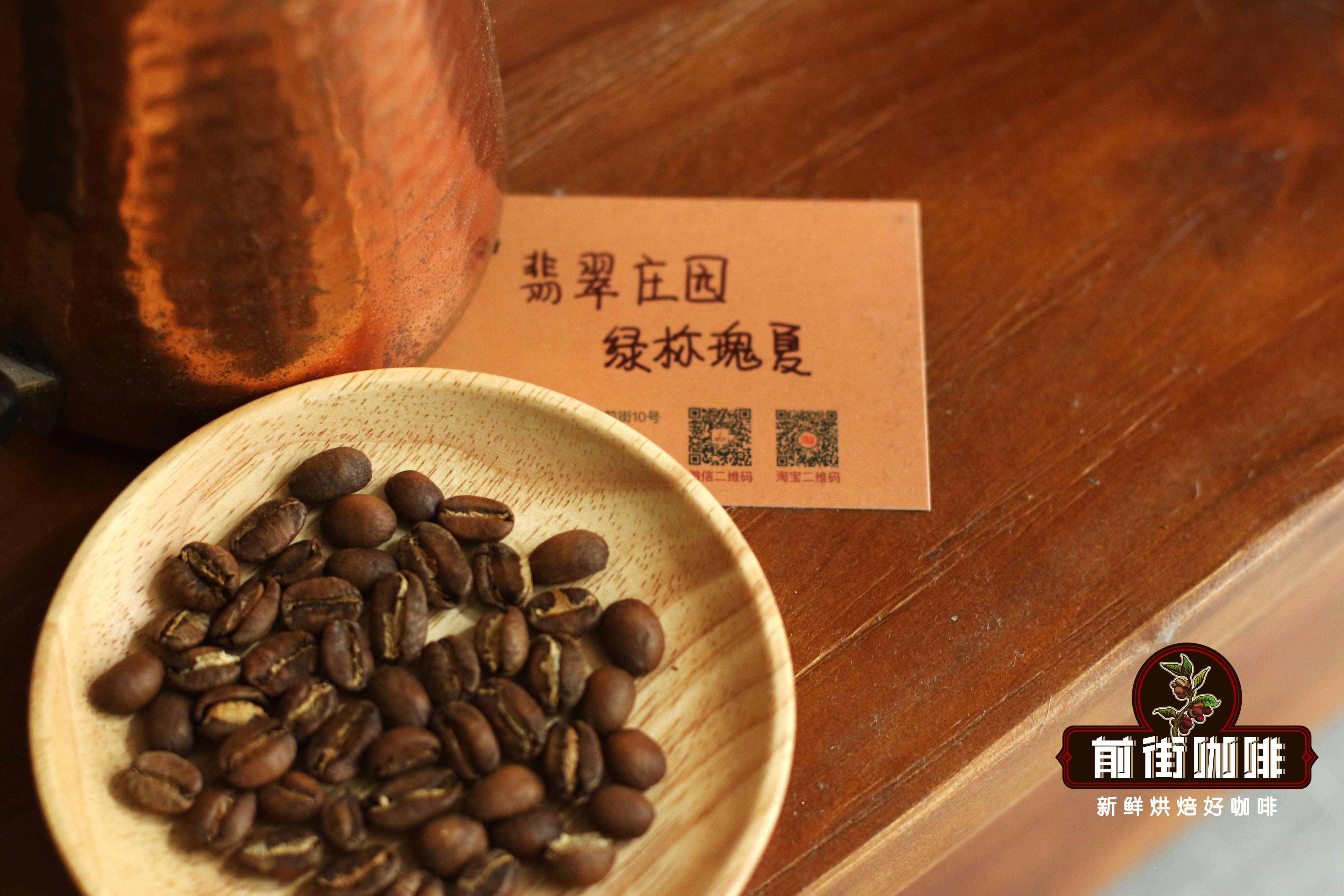
Gesha or Geisha? Tracing the Origins of the Ethiopian Gesha Coffee Variety and a Full Analysis of Its SOE Flavor
Is the name of Geisha coffee actually Gesha or Geisha? This question has long been debated in coffee circles. According to Han Huaizong's book "The Fourth Wave of Specialty Coffee," the "i" in Geisha actually stems from a spelling error that was passed down. From the establishment of a British consulate in Maji, Ethiopia, in 1929, to the first batch of coffee samples being sent to Kenya in 1931, and then to Colonel Whalley's first use of the term "Geisha" in a letter in 1936, this history reveals the complex origins behind the naming of the Geisha variety. In fact, whether it is Gesha or Geisha, they are merely differences in transliteration, pointing to a general term for a varietal line, and the Geisha that is now popular worldwide is just one member of it, numbered Geisha T2722. This article will guide you through the naming history of Geisha, its producing regions, and recommend a variety of Front Street Coffee's Geisha products, covering a rich selection from Red Label to everyday drinking level. [more…]